The Role of Nutritional Supplements in Supporting Elderly Health Care A Multidisciplinary Perspective
DOI:
https://doi.org/10.62012/junic.v1i1.4Keywords:
Elderly health, nutritional supplements, multidisciplinary perspective, cognitive function, bone densityAbstract
The health of the elderly is a major concern amidst the growing aging global population. In this context, the role of nutritional supplements in supporting the health of the elderly is becoming an increasingly important research focus. This article explores the role of nutritional supplements in aspects of elderly health from a multidisciplinary perspective, covering the fields of nutrition, medicine and gerontology. The research method involves analyzing the latest literature from various scientific sources with relevant keywords. Literature analysis reveals that nutritional supplements have diverse impacts on the health of older adults, including improving cognitive function, bone density, and the immune system. However, discussions surrounding the controversies and challenges regarding the use of nutritional supplements in the elderly highlight the need for a cautious approach in designing practice recommendations. Practical implications for clinical practice and directions for further research are also discussed, providing a basis for the development of more targeted practice guidelines. By summarizing these findings, this article concludes that the role of nutritional supplements in supporting the health of older adults requires a multidisciplinary approach. The diversity of findings, integration of scientific perspectives, and practical considerations provide a foundation for improving the health care of older adults in the future. These conclusions provide a valuable contribution to our understanding of the benefits and challenges of nutritional supplement use in the context of elderly health care.
Downloads
References
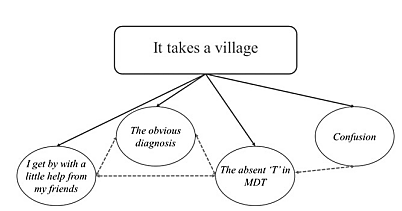
Reynolds, Ciara ME, et al. "‘It takes a village’: a qualitative study on malnutrition and oral nutritional supplements with older adults in Ireland." European Journal of Public Health 31.6 (2021): 1284-1290.
Bauer, J., Biolo, G., Cederholm, T., Cesari, M., Cruz-Jentoft, A. J., Morley, J. E., ... & Visvanathan, R. (2013). Evidence-based recommendations for optimal dietary protein intake in older people: a position paper from the PROT-AGE Study Group. Journal of the American Medical Directors Association, 14(8), 542-559.
Gahche, J. J., Bailey, R. L., Potischman, N., Dwyer, J. T., & Dietary Supplement Database Research Group. (2017). Dietary supplement use was very high among older adults in the United States in 2011–2014. The Journal of Nutrition, 147(10)
Meydani, S. N., Barnett, J. B., Dallal, G. E., Fine, B. C., Jacques, P. F., Leka, L. S., & Hamer, D. H. (2016). Serum zinc and pneumonia in nursing home elderly. The American Journal of Clinical Nutrition, 103(1), 337-344.
Strasser, B., & Volaklis, K. (2018). Fasting serum amino acid profile and age-related sarcopenia: a pilot study. Nutrients, 10(10), 1386.
Groeneveld, G. J., van Kan, G. A., Vellas, B., & Achour, L. (2021). Use of vitamin D in the management of frailty: a systematic review. Maturitas, 143, 26-34.